No results we cannot replay
We write about method and reasoning. Numbers appear only when they come with a record we could reproduce.
Seven pieces written between June 2025 and September 2026 — from the founding thesis to the engineering of the loop and the horizon beyond it. No announcements, no product news: just the problem, the design decisions, and the parts that are still hard.
Newest first. Every piece carries its publication date and its reading time, so you can judge the currency of the claims yourself.
Metric drift, survivorship bias in the search history, favourable seeds, self-graded objectives and the slow move of the target. How each one looks from the inside.
Why the loop is pointed at our own stack before anyone else's, and what "measured in production" means when the product is an experiment cycle.
Scheduling, preemption, checkpointing and budget ceilings — the unglamorous systems work that decides whether parallelism is real.
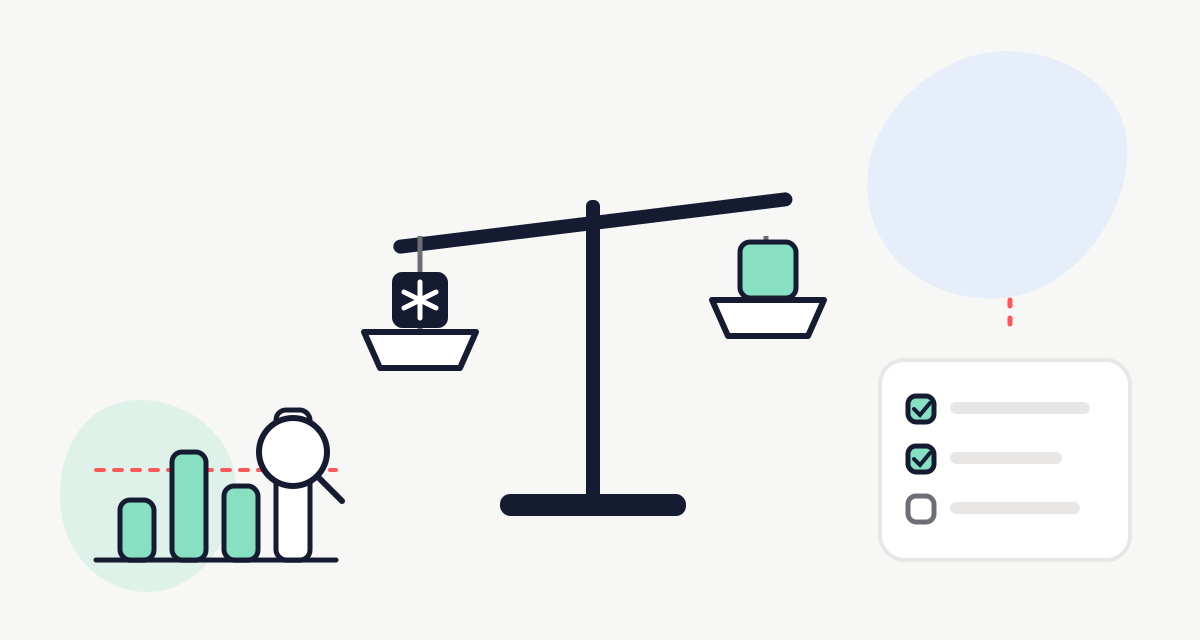
A frozen baseline, held-out objectives, repeated seeds and a failure taxonomy. The harness is the product, and most of our engineering goes into it.
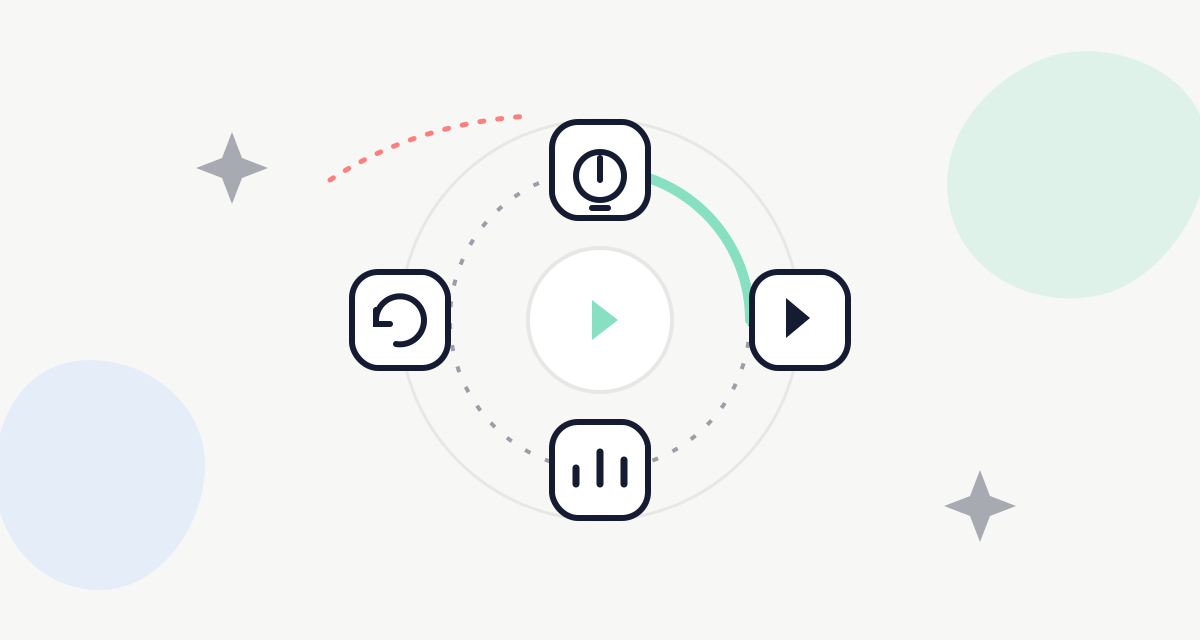
A precise definition: four stages, what the machine owns, what stays with people, and the three tests a cycle has to pass before it deserves the word autonomous.
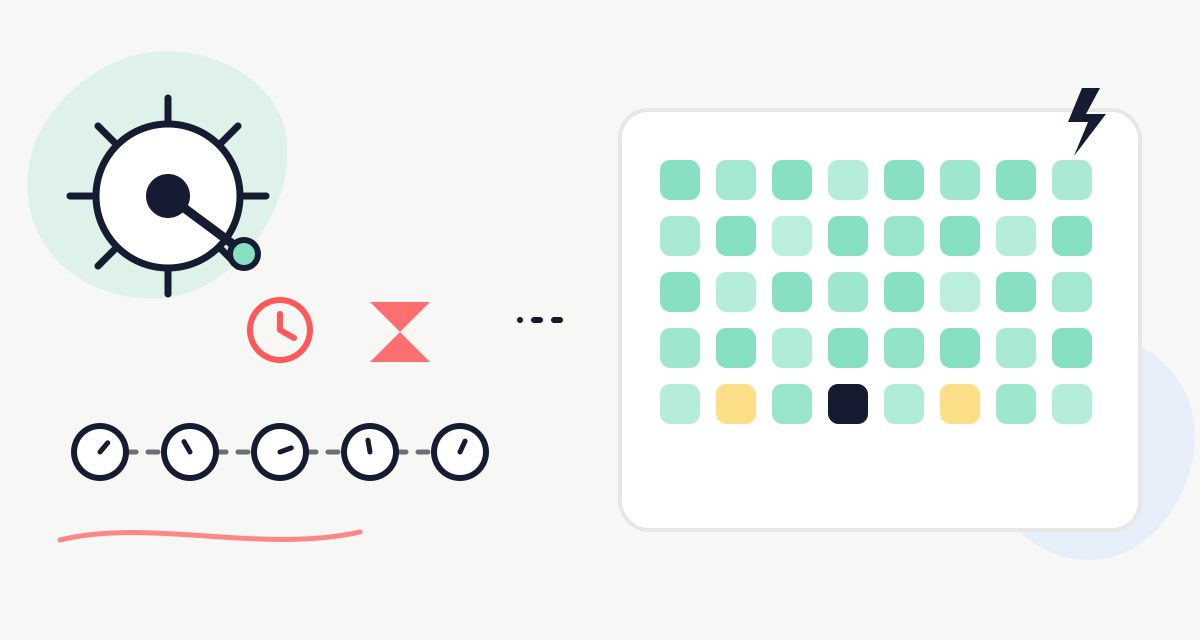
The bottleneck is not ideas or instruments. It is a sequential loop that no one can run fast enough by hand — the observation the company was founded on.
A company blog about autonomy has an obvious temptation: to sound further along than it is. We hold these articles to the same standard as our internal notes.
We write about method and reasoning. Numbers appear only when they come with a record we could reproduce.
Every article carries its publication date. Later corrections are added as notes rather than quietly edited away.
Each piece says what is still unsolved. A plan described as a plan is more useful than a plan described as a product.
Pieces are signed by AutoScientia rather than an individual, because the work is a system, not a byline.
Prefer a feed reader? Subscribe to the RSS feed. There is no newsletter and no tracking — we do not want your data, only your attention.
The fastest way to improve a definition is to argue with it. Write to us and we will publish the correction.